Undercarriages That Handle Land Clearing Stress
Bulldozer undercarriage repair in Hudsonville for machines used in construction, land clearing, and site preparation experiencing track or component wear
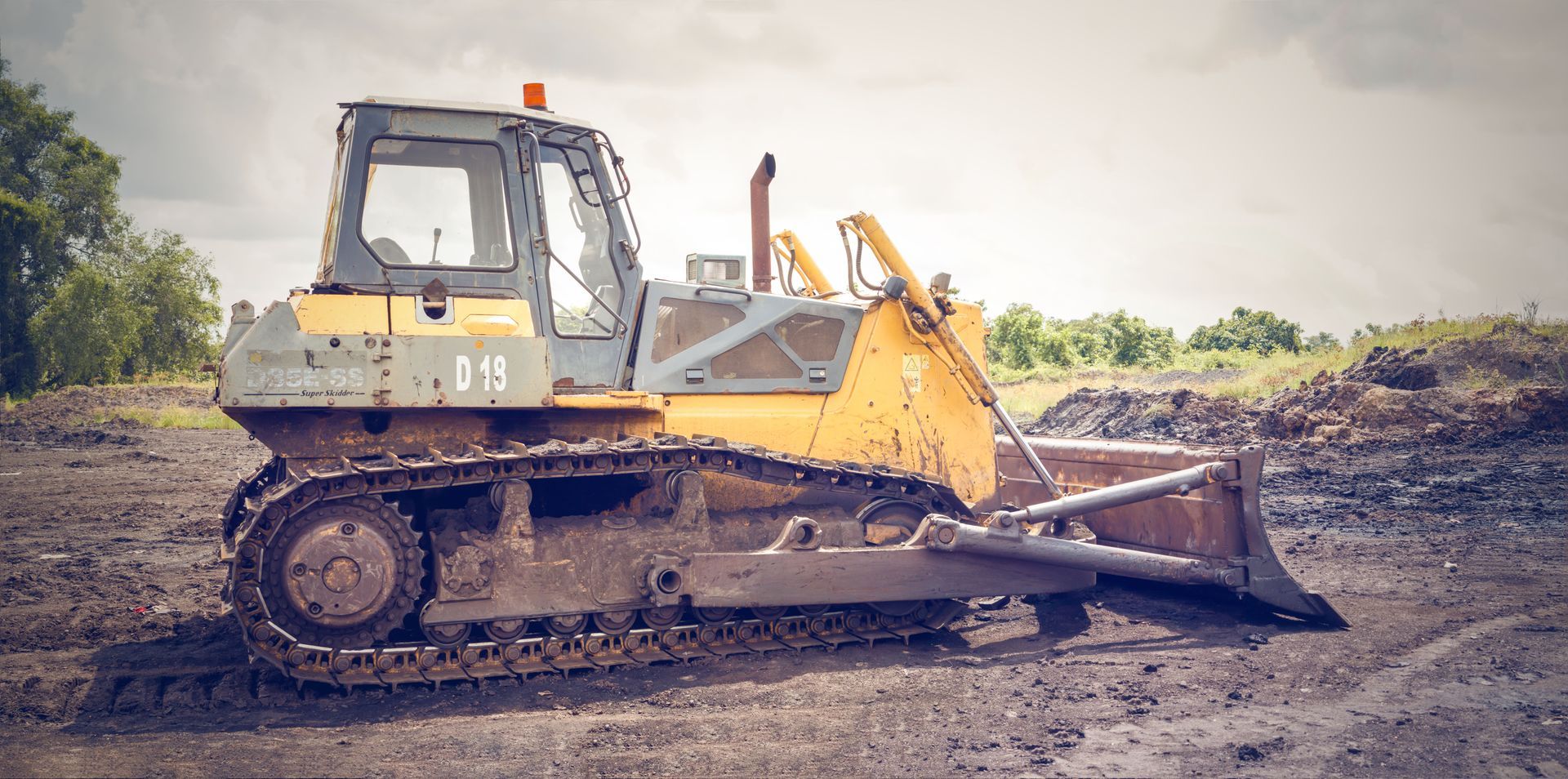
Bulldozers pushing material across construction sites, clearing land, and preparing grades in West Michigan generate enormous side loads on undercarriage components as they pivot, blade, and climb over obstacles during continuous operation. When blade work creates uneven loading or machines frequently turn while pushing, the resulting stress accelerates wear on tracks, rollers, and sprockets beyond what occurs in straight-line travel. Crawler Rebuilders repairs and rebuilds bulldozer undercarriages for all major manufacturers, replacing worn components before failures cascade through the entire system and create the extended downtime that stops work on active sites.
Rebuilding involves removing the complete undercarriage to access every component, assessing wear on each part individually, and replacing anything that no longer meets functional tolerances. Dozers that have worked in rocky soil or pushed stumps and debris often show impact damage to rollers and idlers, while machines used primarily for finish grading may have relatively intact supporting components but severely worn tracks from constant ground contact. Quality replacement parts restore the durability needed for demanding site work and reduce the frequency of future repairs.
Contact the shop to schedule a comprehensive undercarriage assessment for your bulldozer based on current operating conditions.
Why Proper Rebuilding Matters for Dozers
Dozer undercarriages endure greater impact forces than excavators or loaders because the machine's full weight transfers through tracks during blading, and directional changes while under load create shearing forces that twist chains and stress sprocket teeth. Rebuilding addresses these accumulated stresses by replacing stretched chains that no longer engage sprockets properly, installing new rollers with bearings designed for heavy radial loads, and fitting sprockets machined to precise tooth profiles that mesh smoothly with new chains. Each component must be sized and aligned correctly during reassembly to prevent premature wear caused by mismatched parts.
After rebuilding, your dozer will push material more efficiently because tracks maintain consistent ground contact without slipping, and the machine holds grade better during finish work as tracks respond predictably to steering inputs. The jarring vibration that previously indicated loose or worn components disappears, creating a smoother operating experience that reduces fatigue during long shifts. Fuel consumption often decreases because the engine no longer compensates for friction losses in seized rollers or misaligned tracks, and the machine regains the drawbar pull needed to handle heavy loads on steep grades or soft ground.
In-house repairs completed with quality parts allow faster service turnaround, which matters significantly on projects where dozer downtime delays excavation, grading, and site preparation work across multiple trades. The rebuilding process extends machine life and maintains the productivity contractors depend on when moving earth on tight schedules.
Questions Before Starting Your Project
Dozer operators across Hudsonville typically want to understand wear patterns and service requirements before committing to undercarriage work that affects equipment availability.
What operating conditions cause the fastest undercarriage wear on dozers?
Blading while turning creates the highest stress because it combines pushing resistance with lateral forces, and working on rocky ground or in abrasive soil accelerates wear on all contact surfaces compared to operation in softer materials.
How does undercarriage wear affect a dozer's ability to hold grade?
Worn tracks lose the traction needed to make fine adjustments during finish grading, and loose undercarriage components create unpredictable movement that makes it difficult to maintain consistent blade depth across a pass.
Can I continue operating with partial undercarriage wear or should I address it immediately?
Continuing to operate with worn components accelerates damage exponentially—a worn sprocket destroys new chains quickly, and failed rollers cause tracks to wear through in isolated spots rather than evenly across their width.
What's included in a complete bulldozer undercarriage rebuild?
Complete rebuilds replace tracks, chains, rollers, idlers, and sprockets as needed, then reassemble the system with proper tension and alignment settings verified through measurement rather than visual inspection alone.
How long does undercarriage rebuilding typically take?
Rebuild time varies based on parts availability and the extent of wear, but most dozer undercarriages are completed within several days once all replacement components are on-site and the machine is available for service.
Crawler Rebuilders services dozers across construction and land clearing applications, completing repairs in-house to minimize downtime on demanding job sites. Request a detailed evaluation based on your equipment's current condition and upcoming project requirements.