Chains That Maintain Proper Track Tension
Track Chain Repair and Replacement in Hudsonville for equipment showing uneven wear, loose track movement, or undercarriage performance issues
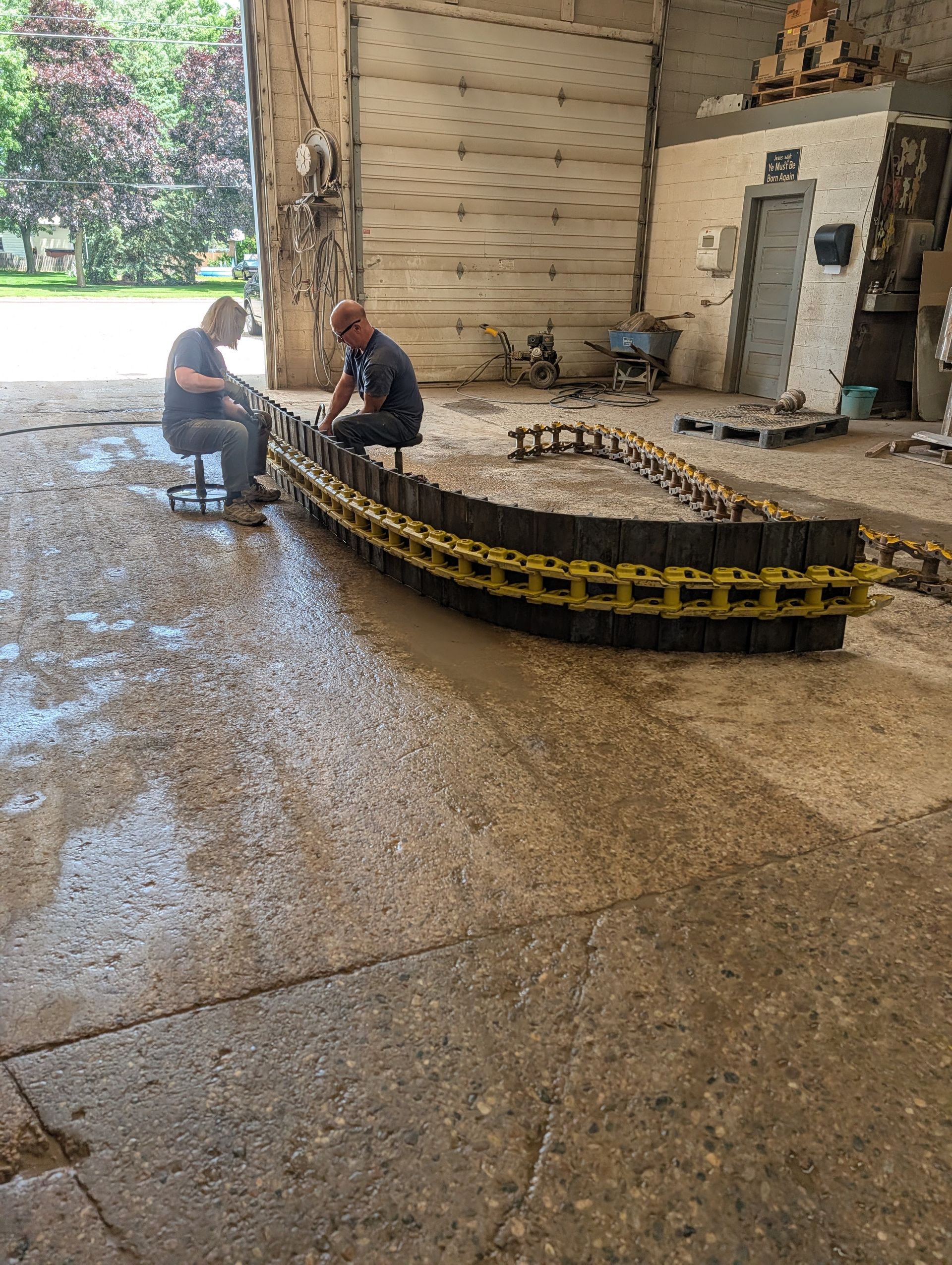
Worn track chains cause machines to lose alignment, create uneven wear across rollers and idlers, and reduce overall undercarriage performance on excavators and dozers operating throughout West Michigan. Crawler Rebuilders repairs and replaces track chains after inspecting the complete undercarriage system to identify whether isolated chain links can be repaired or whether full replacement is required. When chains stretch beyond adjustment limits or show cracked bushings, replacement prevents further damage to sprockets and maintains proper track engagement during heavy work.
Chain inspection involves measuring pitch elongation, checking bushing condition, and examining each pin for wear or fractures that indicate metal fatigue. Chains that have stretched even a few millimeters beyond factory specifications no longer seat properly on sprocket teeth, which accelerates wear on both components and creates the grinding noise operators hear during turns. Quality replacement chains restore original pitch dimensions and bushing tolerances, allowing tracks to engage smoothly and distribute load evenly across the undercarriage.
Arrange an undercarriage inspection to assess chain wear and determine whether repair or replacement is needed.
How Chain Replacement Addresses Alignment Problems
Track chains connect individual track shoes and maintain consistent spacing as they rotate around sprockets, idlers, and rollers during operation. When chains wear unevenly—often due to abrasive soil conditions or inadequate lubrication—some sections stretch more than others, creating loose spots that cause the track to walk off alignment or slap against rollers during travel. Installing new chains with uniform pitch eliminates these loose sections and restores the tension consistency needed for proper tracking.
After chain replacement, you'll notice the machine tracks straighter without constant steering corrections, and the vibration that previously traveled through the cab during operation diminishes as tracks seat properly on sprockets again. Equipment that previously threw tracks during sharp turns or when working on slopes will maintain alignment because the chain holds each shoe at the correct spacing. The grinding or clicking sounds that indicated misalignment disappear once chains engage sprocket teeth fully at every rotation point.
Complete undercarriage inspections often reveal that chain wear has already damaged surrounding components, particularly sprockets showing hooked or worn teeth. Addressing chain issues early prevents this secondary damage and avoids the higher costs associated with replacing multiple undercarriage parts simultaneously.
Common Questions About Chain Service
Operators across Hudsonville frequently ask about chain wear patterns and replacement timing when equipment begins showing alignment issues or unusual undercarriage noise.
What causes track chains to wear out?
Chains wear primarily from friction between pins and bushings as tracks flex around sprockets and idlers; abrasive soil accelerates this wear, and inadequate lubrication allows metal-to-metal contact that increases the rate of elongation and bushing damage.
How do I know when chains need replacement versus repair?
Chains showing pitch elongation beyond manufacturer specifications—typically measured across a set number of links—require replacement; isolated damaged links can sometimes be repaired if the overall chain remains within tolerance.
Why does chain wear cause problems with other undercarriage parts?
Stretched chains no longer match the spacing of sprocket teeth, which causes uneven loading and accelerated wear on sprocket tips; this misalignment also creates impact forces on rollers and idlers as loose chain sections slam against them during operation.
Can I replace chains on just one side of the machine?
Replacing chains on only one side creates uneven track tension and differing engagement characteristics between sides, which affects machine steering and can lead to premature wear on the newer chain as it compensates for the worn side.
What should I inspect after new chains are installed?
After installation, verify that tracks maintain proper tension across their full rotation, check that sprockets engage smoothly without skipping, and monitor for any unusual noise during the first hours of operation that might indicate adjustment needs.
Crawler Rebuilders services all major equipment brands and provides complete undercarriage evaluations to identify chain wear before it leads to costly failures. Contact the shop to schedule an inspection based on your equipment's operating hours and conditions.