Tracked Machines That Handle Demanding Terrain
Crawler Equipment in Hudsonville for undercarriage systems damaged by continuous operation in abrasive conditions
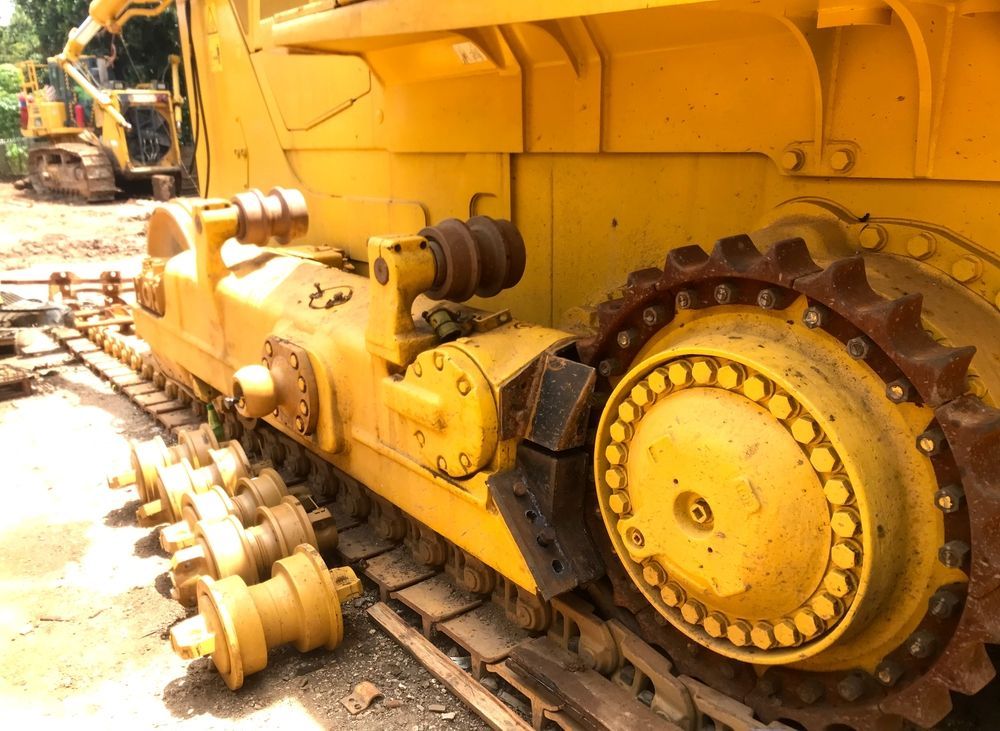
Complete undercarriage failure shows up as excessive track sag, visible cracks in roller wheels, sprockets that no longer grip the track properly, and machines that veer off course despite operator input. Crawler Rebuilders services tracked construction and agricultural equipment across virtually every make and model, providing repairs that address the entire undercarriage system rather than isolated components. Our team also evaluates track chains, track shoes, and overall track alignment to ensure the entire track assembly performs as intended. Machines operating in Hudsonville face undercarriage stress from freeze-thaw cycles that crack metal components, clay soil that packs into tight spaces and holds moisture, and abrasive materials that grind away protective surfaces on rollers and idlers.
Rebuilding services involve complete disassembly of the undercarriage, replacement of worn tracks and rotating components, and inspection of frame mounting points for cracks or elongated bolt holes that indicate structural fatigue. Track chains, track pads, and related hardware are carefully inspected and replaced when wear exceeds manufacturer specifications. This process extends equipment life by restoring the machine to operational specifications rather than allowing progressive damage to migrate into the frame and drivetrain.
Request a rebuild assessment to determine whether your crawler equipment requires isolated component replacement or full undercarriage restoration.
What Proper Undercarriage Rebuilding Requires
Crawler equipment undercarriages consist of tracks, rollers, idlers, sprockets, pins, bushings, and tensioning systems that must work together to distribute the machine's weight and transfer power to the ground. When one component exceeds its wear limit, it places abnormal stress on adjacent parts and accelerates their deterioration. Crawler Rebuilders supplies replacement parts and track solutions matched to each machine's operating weight, typical load cycles, and the ground conditions where it works most frequently. Proper track alignment, chain wear measurements, and track tension adjustments are all part of the rebuilding process to maximize performance and minimize future wear.
After rebuilding, the equipment moves with the smooth, controlled tracking that characterizes properly maintained machines. Operators no longer fight the controls to maintain straight travel, the machine maintains consistent ground pressure for stable operation on slopes, and the metallic rattling or grinding that indicated loose or damaged components is eliminated. Correctly adjusted tracks improve traction, reduce premature component wear, and help prevent unnecessary downtime in demanding working conditions. Fuel consumption often decreases because the drivetrain no longer works against misaligned or binding undercarriage parts.
The service addresses crawler dozers, excavators, agricultural tractors, and specialty equipment used in forestry and land clearing. Work includes verification that all wear components fall within acceptable limits, replacement of seals and bearings that would otherwise fail shortly after reassembly, and adjustment of track tension to specifications that prevent both de-tracking and excessive bearing load. Each rebuild is completed with a thorough inspection of the complete track system to verify proper fit, alignment, and long-term reliability before the equipment returns to service.
Answers to Frequent Equipment Questions
Contractors who depend on tracked equipment for daily operations need to understand what drives repair costs and how to evaluate whether rebuilding makes economic sense compared to replacement.
What determines whether a crawler undercarriage should be rebuilt or replaced?
Rebuilding makes sense when the machine's frame and drivetrain remain structurally sound and the cost of replacement parts plus labor totals less than fifty to sixty percent of the machine's current market value.
How does operating in Michigan winters affect crawler equipment undercarriages?
Repeated freeze-thaw cycles cause water trapped in pin and bushing joints to expand, which accelerates wear and can crack roller housings, while road salt and de-icing chemicals accelerate corrosion of exposed metal surfaces.
What actually gets replaced during a complete undercarriage rebuild?
A full rebuild typically includes tracks, all rollers, both idlers, drive sprockets, pins and bushings that connect track links, and any seals or bearings that show contamination or wear beyond reuse limits.
When should undercarriage work be scheduled to minimize operational disruption?
Most contractors schedule rebuilds during seasonal slowdowns or planned maintenance windows when equipment can be out of service for the three to five days typically required for complete disassembly, parts replacement, and reassembly.
How do you verify that replaced components will function as an integrated system?
Final inspection includes measurement of track tension, verification that all rollers rotate freely without binding, confirmation that sprockets engage properly across their full width, and test operation to ensure the machine tracks straight under load.
Crawler Rebuilders helps contractors reduce downtime through dependable repairs completed in-house rather than relying on extended external supply chains. Schedule a consultation to review your equipment's maintenance history and determine which undercarriage components currently limit machine performance and reliability.