Undercarriages Built for Continuous Ground Contact
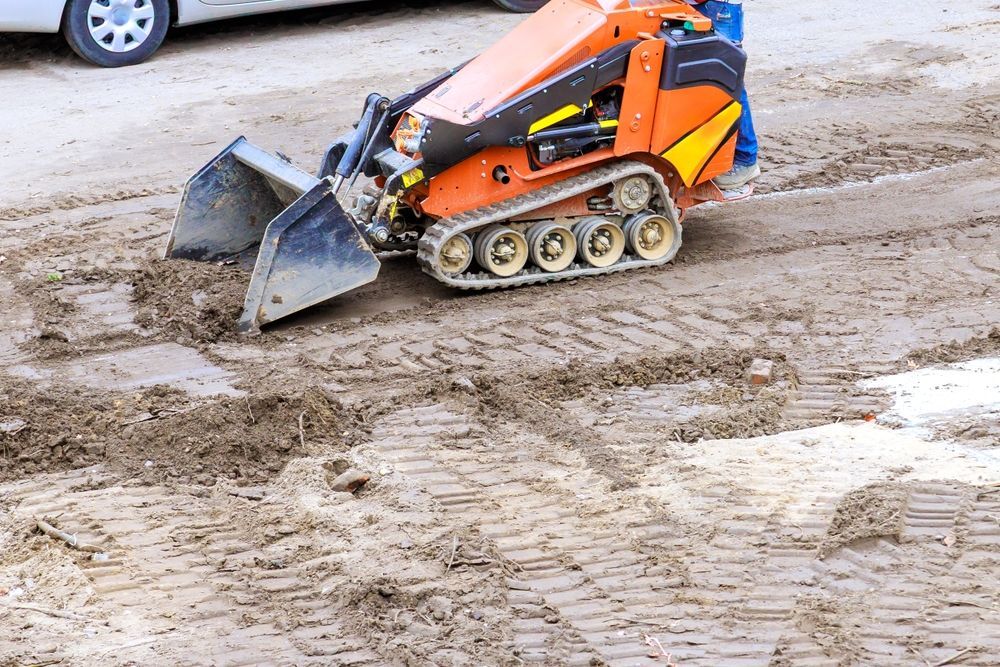
Compact Track Loaders in Hudsonville for complete undercarriage systems showing roller damage and sprocket wear
Worn rollers create visible flat spots that prevent smooth track rotation, damaged idlers allow tracks to slip off alignment during turns, and sprockets with broken or worn teeth fail to maintain proper drive engagement. Crawler Rebuilders replaces tracks, rollers, idlers, sprockets, and related undercarriage components for compact track loaders operating in construction and agricultural applications throughout Hudsonville. Complete undercarriage repair restores the machine's ability to distribute weight evenly, maintain traction on slopes, and operate without the metal-on-metal contact that generates heat and accelerates component failure.
The repair process involves disassembly of the entire undercarriage system, measurement of all rotating components against manufacturer wear limits, and replacement of any part that falls outside acceptable tolerances. This approach prevents the common mistake of installing new tracks on worn rollers, which destroys the new rubber within weeks rather than delivering the expected service life.
Arrange an on-site evaluation to assess undercarriage wear patterns and determine which components require immediate replacement.
Why Complete Undercarriage Service Matters
Compact track loader undercarriages consist of multiple interdependent components that wear at different rates depending on operating conditions. Machines working in abrasive soil or gravel experience faster roller wear, while loaders used for pushing heavy loads place greater stress on sprockets and drive systems. Crawler Rebuilders performs all repairs in-house using quality replacement parts that match the original equipment specifications, allowing for controlled installation and proper break-in procedures that extend component life.
Once the undercarriage is rebuilt, operators notice the machine tracks straight without pulling to one side, turns smoothly without jerking, and maintains consistent ground pressure across the entire track footprint. The grinding or clicking sounds that indicated failing bearings or damaged sprocket teeth disappear, and the loader returns to its original operating speed without the power loss that comes from slipping or misaligned tracks.
The service covers all makes and models of compact track loaders, from small units used in landscaping to heavy-duty construction machines rated for demolition and earth-moving work. Repairs include inspection of mounting hardware, replacement of worn bushings, and verification that all bolt torques meet manufacturer specifications to prevent loosening under vibration and load cycles.
Common Questions About Loader Undercarriage Repairs
Contractors and agricultural operators across Hudsonville typically want to understand what drives undercarriage failure and how to maximize the return on repair investments.
What causes rollers to fail prematurely on compact track loaders?
Rollers fail when debris packs between the track and roller surface, when machines operate with improper track tension, or when loaders consistently work on surfaces with sharp rocks that puncture the roller's outer layer and allow contamination into the bearing assembly.
How does Hudsonville's clay soil affect undercarriage wear?
Clay packs tightly into undercarriage components and holds moisture against metal surfaces, accelerating corrosion of pins and bushings while creating an abrasive paste that grinds away roller surfaces faster than operation in sandy or loose soil conditions.
When should sprockets be replaced instead of just tracks?
Sprockets require replacement when teeth show hooked wear patterns, when tooth height is reduced by more than twenty-five percent, or when cracks appear at the tooth base where repeated flexing has fatigued the metal.
What documentation do you provide after undercarriage repair?
Each repair includes a detailed parts list showing which components were replaced, torque specifications used during assembly, and recommended inspection intervals based on the machine's typical operating conditions.
How do you prevent track de-tracking after installation?
Proper tension adjustment, verification of roller alignment, and inspection of the track guide pattern ensure the track seats correctly and stays engaged during aggressive maneuvers and operation on uneven terrain.
Crawler Rebuilders reduces equipment downtime by completing undercarriage repairs efficiently and ensuring all replaced components function as an integrated system rather than as individual parts. Contact the shop to discuss your loader's current performance issues and schedule repair work during your equipment's planned maintenance window.