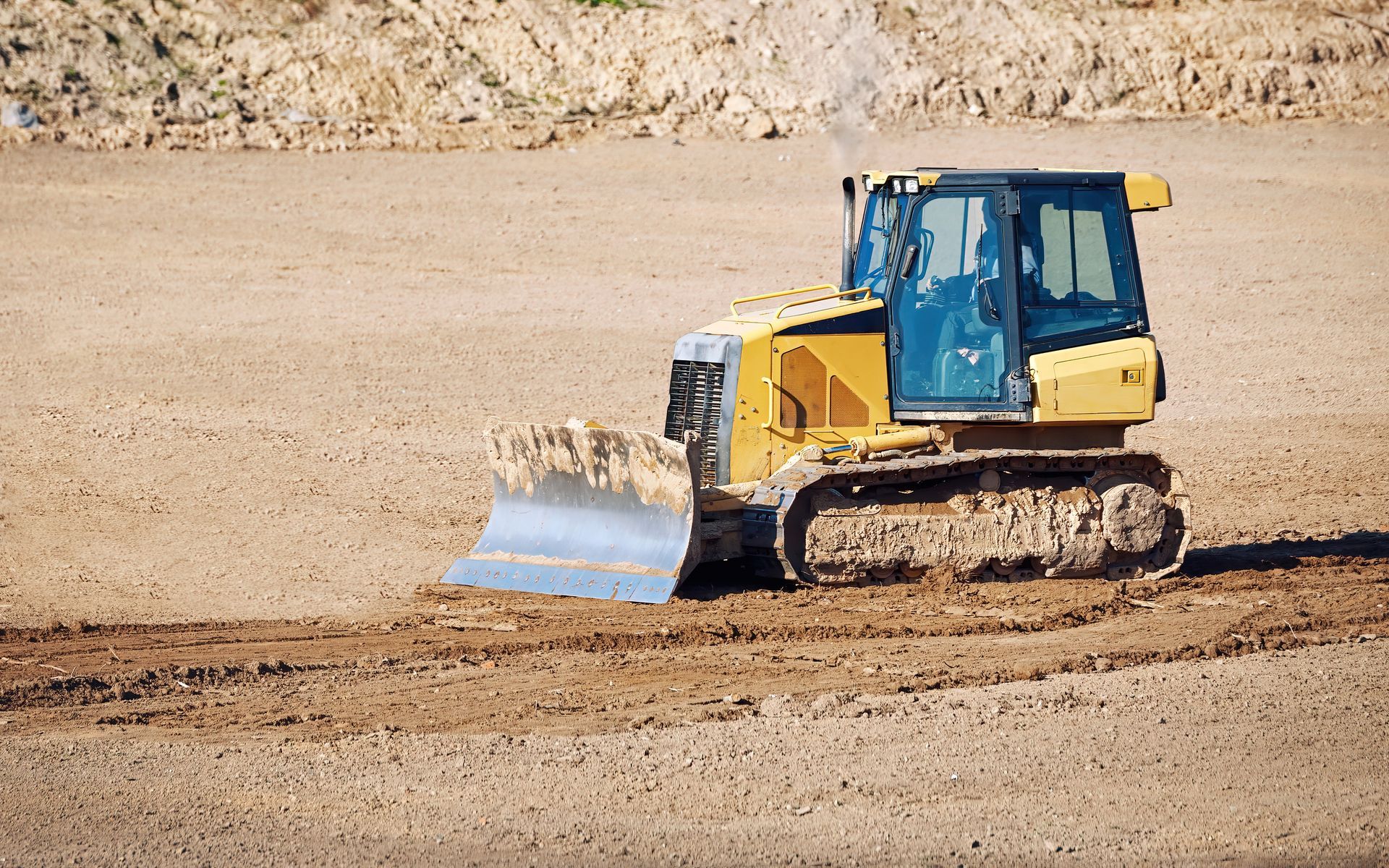
Blade Edges Built for Ground Contact
Cutting Edge Sales & Service in Hudsonville for worn blade edges reducing grading accuracy or requiring excessive down pressure
When your dozer blade no longer cuts cleanly through compacted material or your grader requires multiple passes to achieve grade, the cutting edge has worn past its effective geometry. Crawler Rebuilders supplies and installs replacement cutting edges for dozers, graders, loaders, and scrapers operating throughout Hudsonville, restoring blade performance so equipment cuts efficiently without excess engine load or hydraulic pressure. Worn edges force operators to increase blade angle or add down pressure to compensate for reduced penetration, which accelerates wear on hydraulic cylinders and increases fuel consumption as the machine works harder to move the same volume of material.
The service includes inspection of current cutting edge wear to determine whether bolt-on edges can be replaced or whether weld-on solutions are needed for blades with damaged bolt holes or mounting surfaces. Custom sizing and fitment are available for specialty equipment or applications where standard edges don't match your blade configuration, and hardware replacement includes new bolts and fasteners torqued to manufacturer specifications.
Request a blade inspection to evaluate edge wear and determine whether replacement will restore grading efficiency before hydraulic components experience premature failure.
The Difference Between Bolt-On and Weld-On Edges
Bolt-on cutting edge replacement involves removing worn edges and installing new sections using grade 8 fasteners, which allows for quick field replacement and preserves the blade's structural integrity for future edge changes. Weld-on cutting edges are used when bolt holes have elongated from wear, when blade bases are damaged, or when equipment operates in high-impact applications where welded attachment provides greater retention strength than mechanical fasteners.
Once new edges are installed, you'll notice that blades penetrate material with less forward pressure, grading passes produce smoother finish with fewer corrections, and equipment maintains grade without the blade skipping or chattering across hard surfaces. Fuel consumption typically decreases because the engine isn't compensating for dull edges that plow material rather than cut through it, and hydraulic system strain reduces as cylinders no longer fight to force worn edges into the ground.
OEM cutting edges match original equipment specifications exactly, while aftermarket options provide cost savings for operators running older equipment or working in abrasive conditions where edges wear quickly regardless of material grade. Recommendations are based on equipment type, whether you're grading finished surfaces or moving rock, and how frequently you're willing to schedule edge replacement as part of routine maintenance cycles.
Answers to Frequent Service Questions
Operators in Hudsonville typically ask about edge selection, replacement timing, and how cutting edge condition affects overall equipment performance.
What indicates that a cutting edge needs replacement rather than continued use?
Edges should be replaced when they've worn to less than fifty percent of original thickness, when the blade no longer holds grade without excessive hydraulic pressure, or when visible rounding on the cutting surface prevents clean penetration into compacted soil or aggregate base material.
How do you determine whether bolt-on or weld-on edges are appropriate for specific equipment?
Bolt-on edges work when mounting holes remain intact and the blade base is flat and undamaged, while weld-on solutions are necessary when bolt holes have elongated from repeated installation, when blade bases show cracking or deformation, or when you need edges to stay attached during high-impact work that loosens mechanical fasteners.
Can cutting edges be replaced in the field, or does equipment need to come into your facility?
Most bolt-on edge replacement can be completed in the field using impact tools and proper torque equipment, but weld-on edges require controlled welding conditions to prevent blade warping and typically need to be installed in a shop environment where blade temperature and weld penetration can be managed correctly.
What differences exist between grader blade edges and dozer blade edges in terms of wear patterns?
Grader edges wear unevenly across their length because the blade angle changes during operation, often requiring replacement on the primary cutting side while the opposite end still has usable material, whereas dozer edges typically wear more uniformly across the width unless the blade is consistently angled for side-casting material.
How does cutting edge wear affect components beyond the blade itself?
Dull edges increase load on hydraulic lift and tilt cylinders because operators compensate by adding down pressure, accelerate wear on blade pivot pins and bushings due to increased working forces, and cause unnecessary strain on final drives as the machine pushes harder to move material that a sharp edge would cut cleanly.
Crawler Rebuilders stocks cutting edges for graders, dozers, loaders, and scrapers in both OEM and aftermarket configurations, with nationwide shipping available for operators managing replacement schedules across multiple job sites. Arrange an equipment evaluation to identify current edge wear and receive recommendations on bolt-on versus weld-on replacement based on blade condition and your operating environment.